
Goethe C1 Certificate Tools To Help You Manage Your Daily Lifethe One Goethe C1 Certificate Technique Every Person Needs To Learn
The Goethe C1 Certificate: An In-Depth Guide
The Goethe C1 Certificate symbolizes an innovative proficiency in the German language, showing that a prospect possesses the linguistic capabilities required for both scholastic and expert contexts. This extensive evaluation, established by the Goethe-Institut, not only examines language abilities but likewise improves career opportunities, scholastic pursuits, and cultural engagement. In this post, we will explore the Goethe C1 Certificate, its parts, benefits, preparation strategies, and regularly asked concerns.
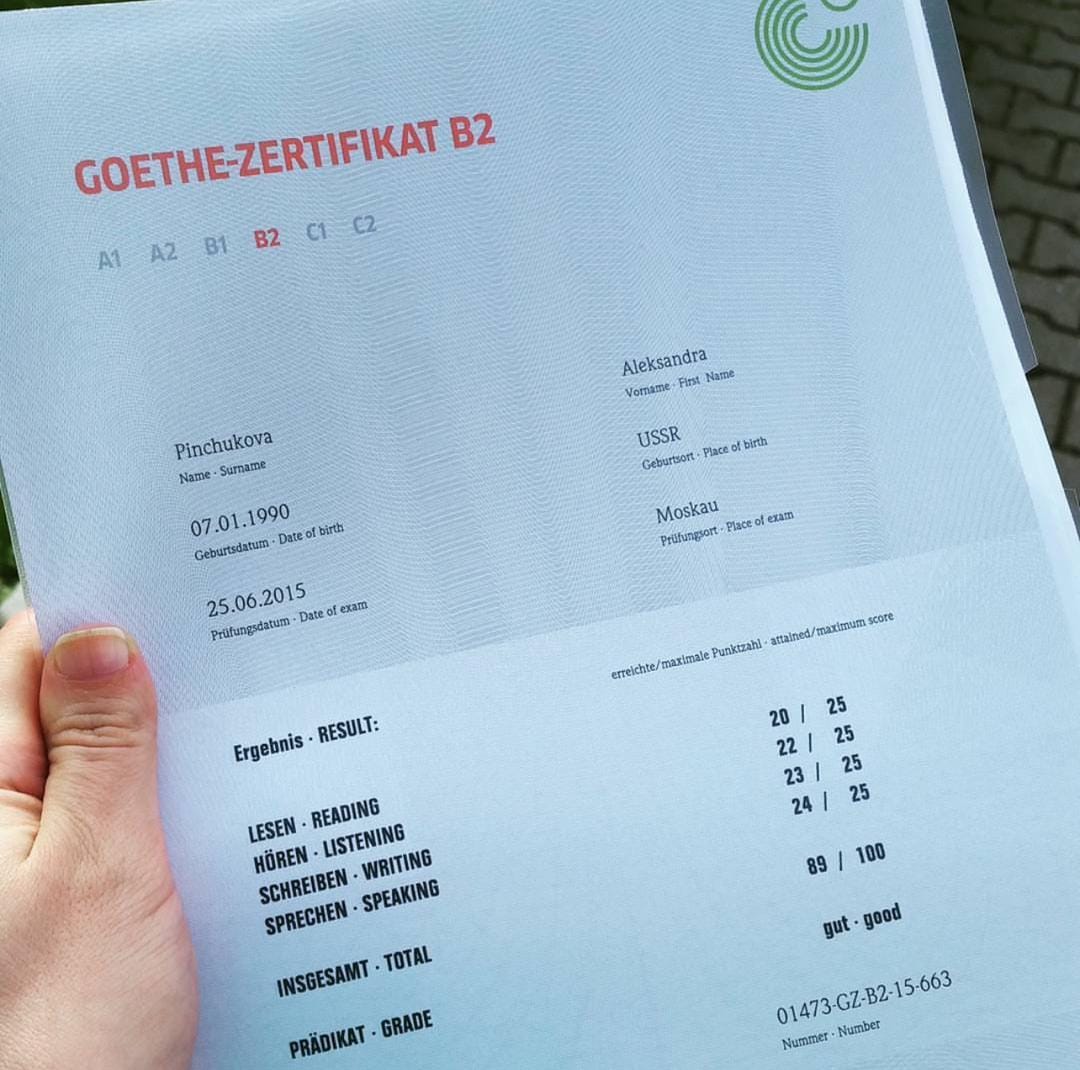
Introduction of the Goethe C1 Certificate
The Goethe C1 Certificate belongs to the series of evaluations provided by the Goethe-Institut, which is a company understood for promoting German language and culture worldwide. It is acknowledged globally and is an exceptional credential for anybody seeking to work or study in a German-speaking environment.
Secret Features of the Goethe C1 Certificate
- Level Assessment: The C1 level becomes part of the Common European Framework of Reference for Languages (CEFR), showing an advanced level of proficiency.
- Target market: Ideal for trainees, specialists, and expats who require to master the German language.
- Institutional Recognition: Accepted by universities, employers, and governmental organizations in German-speaking countries.
Structure of the Exam
The Goethe C1 exam is divided into numerous parts, each created to assess various language abilities.
| Component | Period | Weighting | Skills Assessed |
|---|---|---|---|
| Listening | About 30 min | 25% | Comprehension of spoken texts |
| Reading | About 60 minutes | 25% | Comprehension of composed texts |
| Writing | About 60 min | 25% | Coherent text production |
| Speaking | About 15 minutes | 25% | Conversational abilities |
The exam is developed to guarantee that candidates can engage with complex ideas in both spoken and composed German, making them well-prepared for a range of settings.
Skills Tested
-
Listening Comprehension: Candidates should comprehend numerous spoken German texts, consisting of interviews, conversations, and lectures, recognizing attitudes and viewpoints.
-
Reading Comprehension: Candidates read and examine various texts, such as short articles, essays, and reports, showing an understanding of nuanced meanings and structures.
-
Writing Proficiency: The composing section needs prospects to produce coherent, well-structured texts appropriate for different formats, such as essays or official letters.
-
Speaking Fluency: Candidates must show their capability to reveal themselves fluently and coherently in reaction to prompts or throughout conversations.
Benefits of the Goethe C1 Certificate
Attaining the Goethe C1 Certificate features several noteworthy advantages.
-
Academic Opportunities: The certificate is typically a prerequisite for university applications in Germany, Austria, and Switzerland, making it much easier for trainees to protect admission to scholastic programs.
-
Profession Advancement: Many companies in German-speaking nations look favorably upon candidates who have advanced language accreditations, possibly causing better job prospects and opportunities for advancement.
-
Cultural Integration: The process of getting ready for the exam offers deeper insights into German culture and society, cultivating much better integration for migrants or newcomers.
-
Networking: Having a C1 certificate can enhance networking opportunities within global contexts, permitting holders to connect with a more diverse expert community.

Preparation for the Goethe C1 Certificate
Preparing for the Goethe C1 Certificate requires devotion and a structured technique. Here are some reliable methods:
Study Materials
- Authorities Goethe-Institut Practice Books: These books offer sample questions and exercises comparable to those in the actual exam.
- Online Resources: Websites like the Goethe-Institut’s official website deal practice tests and interactive exercises.
- Language Partners: Engaging with native speakers can enhance conversational abilities considerably.
Research study Schedule
| Week | Focus Area | Activities |
|---|---|---|
| 1-4 | Listening | Podcasts, audiobooks, and videos |
| 5-8 | Checking out | Articles, books, and essays |
| 9-12 | Writing | Essay writing and feedback |
| 13-16 | Speaking | Practice conversations and role-play |
| 17-20 | Complete Practice | Simulate the exam conditions |
Extra Tips
- Join a Language Course: Enroll in a C1-level language course at regional language schools or online platforms.
- Practice with Sample Tests: Take as lots of practice tests as possible to become acquainted with the structure and timing of the real test.
- Self-Assessment: Regularly assess your progress and adapt your study plan appropriately.
Frequently Asked Questions (FAQs)
1. What is the passing rating for the Goethe C1 Certificate?
The passing score normally is around 60%, however this might differ by organization. It’s best to check with the particular requirements of the institutions or companies you are targeting.
2. How long does the certificate remain legitimate?
The Goethe C1 Certificate does not expire, meaning it remains legitimate forever; however, some organizations may prefer more current accreditations.
3. How can I register for the exam?
Registration can be done through the Goethe-Institut’s official website or via regional Goethe-Institut branches and authorized partners.
4. Exists a preparation course that I can attend?
Yes, a range of preparation courses for the C1 Certificate are available through the Goethe-Institut and various online language discovering platforms.
5. What are the expenses connected with the assessment?
The expenses can differ depending upon the country and the specific Goethe-Institut place. It is a good idea to examine the official site for the most existing costs.
The Goethe C1 Certificate is an outstanding credential for people seeking to advance their German language abilities for scholastic, expert, or individual objectives. While the path to accreditation might require substantial effort, the long-term advantages, from improved task prospects to a much deeper understanding of German culture, make it a beneficial investment. Equipped with the right resources and preparation strategies, prospects can approach the exam with self-confidence and attain their preferred level of proficiency.