
The 10 Scariest Things About Island Cooker Hoods
The Complete Guide to Island Cooker Hoods: Enhancing Kitchen Aesthetics and Functionality
In modern kitchens, the balance of functionality and aesthetics is vital. One typically overlooked yet important component is the cooker hood, especially if your cooking area consists of an island. Island cooker hoods not just serve a practical purpose in aerating your kitchen but can also become a striking centerpiece that boosts your kitchen’s design. This guide will explore island cooker hoods, their types, functions, and factors to think about when picking one.
What is an Island Cooker Hood?
An island cooker hood is a ventilation device that hangs from the ceiling above a kitchen island with a cooktop. Unlike traditional wall-mounted or under-cabinet hoods, island hoods are developed to provide ventilation without being connected to a wall, making them perfect for open-concept kitchen styles. They help remove smoke, smells, and grease while contributing to the general visual appeals of the space.
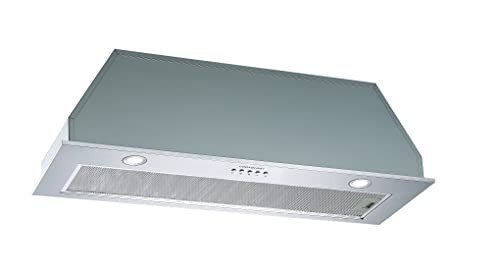
Table 1: Advantages of Island Cooker Hoods
| Advantage | Description |
|---|---|
| Visual Appeal | Adds a modern and streamlined want to the kitchen |
| Improved Air Quality | Helps get rid of fumes, smoke, and unpleasant smells |
| Flexibility | Readily available in various designs, sizes, and surfaces for personalization |
| Improved Cooking Experience | Efficiently removes heat and humidity while cooking |
| Boosts Home Value | A stylish kitchen can considerably boost the resale worth of your home |
Kinds Of Island Cooker Hoods
Island cooker hoods been available in various design and styles that match various kitchen layouts and preferences. The following are the most common types:
-
Chimney Hoods
- Standard design with a vertical chimney that vents air exterior.
- Available in different sizes, finishes, and styles.
-
Downdraft Ventilation
- Retractable hoods that pop up when in usage and are hidden when not required.
- Perfect for minimalist kitchen designs.
-
Canopy Hoods
- Wall-mounted however designed to be shown above the island.
- Suitable for bigger kitchens with greater ceilings.
-
Under-cabinet Hoods
- Installed below overhead cabinets but can be mounted above an island if custom-made.
-
Bespoke/Custom Hoods
- Developed particularly for special kitchen layouts and individual preferences.
- Can include features like integrated lighting and stereo.
Table 2: Comparison of Island Cooker Hood Types
| Hood Type | Installation | Venting Type | Best For |
|---|---|---|---|
| Chimney Hoods | Ceiling-mounted | Ducted/Non-ducted | Conventional and large kitchens |
| Downdraft Ventilation | Mounted within the countertop | Ducted | Minimalist and compact kitchens |
| Canopy Hoods | Customized wall-mounted | Ducted | Big, high-ceilinged kitchens |
| Under-cabinet Hoods | In between cabinets | Ducted/Non-ducted | Smaller islands with overhead cabinets |
| Custom-made Hoods | Customized setup | Ducted/Non-ducted | Unique designs and specifications |
Functions to Consider
When picking the best island cooker hood, several functions must be examined to ensure it satisfies your requirements:
-
Size and Compatibility
- Ensure the hood is properly sized for your cooktop. Typically, the hood ought to be at least as broad as the cooking surface to efficiently catch smoke and steam.
-
Ducted vs. Non-Ducted Ventilation
- Ducted hoods vent air outside, offering more reliable ventilation. Non-ducted hoods recirculate air through filters, which is easier to install however might not be as reliable.
-
Suction Power (CFM)
- The CFM (Cubic Feet per Minute) rating suggests the hood’s suction power. For effective ventilation, search for a hood with a CFM rating between 300 to 600, depending on your cooking routines.
-
Sound Level
- Think about the optimum sone ranking of the hood, as hoods can differ considerably in terms of sound. Quieter designs are perfect for open spaces where conversation takes place.
-
Lighting
- Integrated lighting boosts presence while cooking and can also add a trendy touch to the kitchen ambiance. Search for models with LED lights for energy effectiveness.
-
Filters and Maintenance
- Consider the kind of filters (metal mesh, baffle, triggered charcoal) and how easy they are to clean or replace. Routine upkeep is important for ideal performance.
Table 3: Key Features Checklist for Island Cooker Hoods
| Function | Significance |
|---|---|
| Size | Need to fit your cooking surface area |
| Venting Type | Ducted vs. Non-ducted; select based upon kitchen design and needs |
| Suction Power (CFM) | Higher CFM for more reliable ventilation |
| Noise Level | Quieter models are preferable, especially in open areas |
| Lighting | Integrated lighting enhances functionality |
| Filter Type | Easier-to-clean filters save time and effort |
Frequently Asked Questions about Island Cooker Hoods
1. How high need to an island cooker hood be installed?Typically, an island cooker hood
need to be installed 28 to 36 inches above the cooking surface for ideal effectiveness while ensuring security and convenience during cooking. 2. Can an island cooker hood be set up without ductwork?Yes, non-ducted or
recirculating hoods can be set up without ductwork.
These hoods filter and tidy the air before releasing it back into the kitchen. 3. What is the average lifespan of an island cooker hood?With routine upkeep,
top quality island cooker hoods can last around 10-15 years. However, some parts might require replacement with time, such as filters and fans. 4. How much does it cost to set up an island cooker hood?Installation expenses differ based on the hood’s type, features, and local
labor rates. Anticipate to pay in between ₤ 500 to ₤ 2,000 for both the hood and installation. 5. Exist energy-efficient options available?Yes, numerous modern island cooker hoods are created to be energy-efficient, using LED lighting and more efficient
fan motors to minimize energy consumption. Island cooker hoods are more than simply useful devices; they’re essential to the design and performance of modern kitchens. With lots of designs and models available, house owners can find a hood that not
just matches their kitchen design but also offers efficient ventilation. Comprehending the functions, types, and elements to think about can make the choice process easier, making sure that the option is both visually pleasing and effective for your cooking requires. Whether cooking up a storm or merely delighting in household meals, a well-chosen island cooker hood can substantially boost the total kitchen experience.