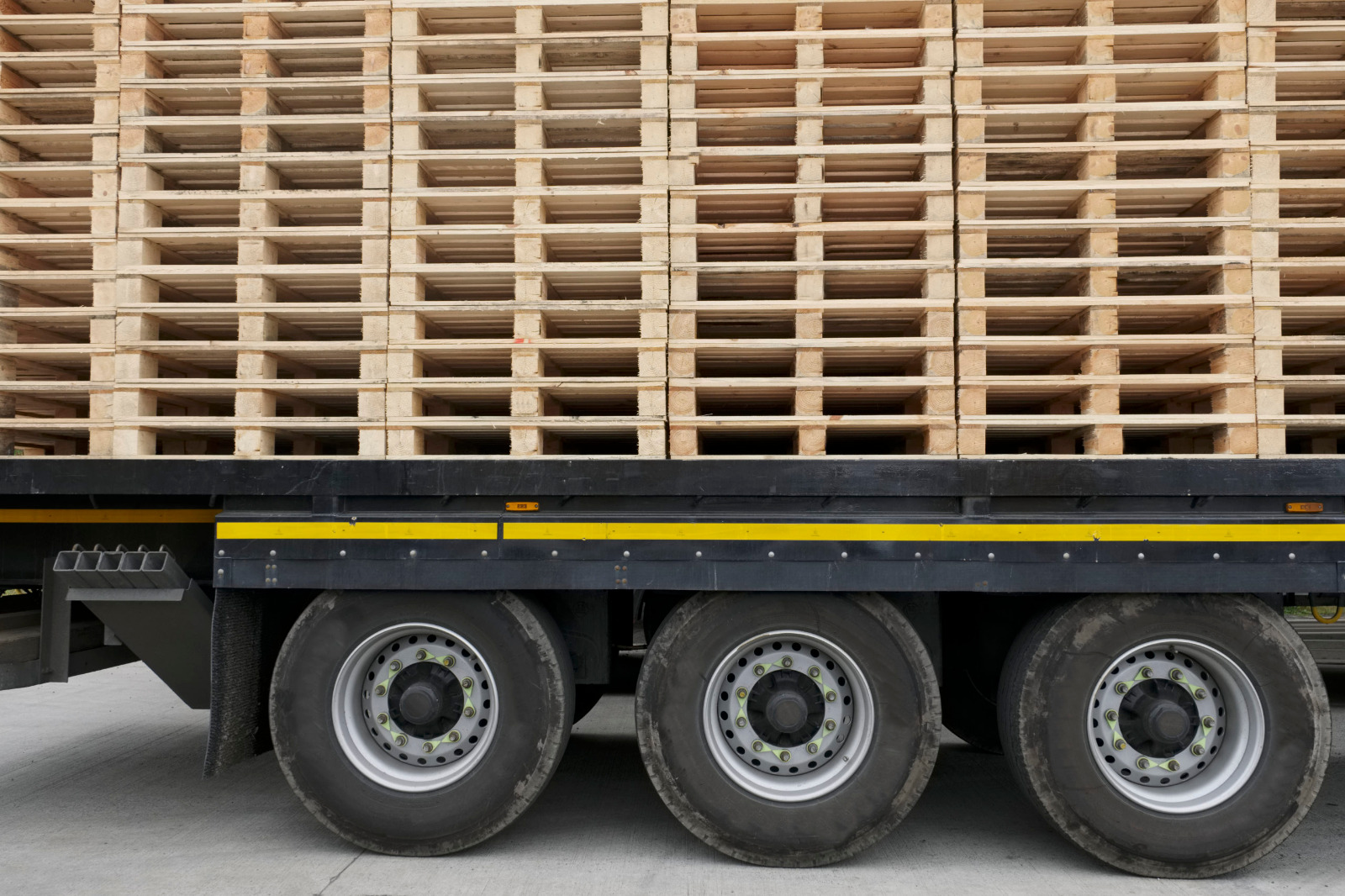
The Best Wooden Pallets Clearance Tricks To Make A Difference In Your Life
Wooden Pallets Clearance: An In-Depth Guide
Wooden pallets have become necessary in different markets, especially in manufacturing, shipping, and logistics. These versatile platforms assist in the transportation and storage of goods. Nevertheless, once they’ve reached the end of their preliminary life cycle, organizations frequently find themselves with excess pallets. This results in a vital concern: what should businesses make with wooden pallet clearance? This article will check out the numerous elements of wooden pallet clearance, prospective usages, and the economic and environmental ramifications integral to this process.
Understanding Wooden Pallet Clearance
What is Wooden Pallet Clearance?
Wooden pallet clearance describes the process of dealing with or repurposing surplus wooden pallets that are no longer suitable for carrying products. This can include selling, recycling, or recycling these pallets. Business frequently accumulate a substantial number of wooden pallets, resulting in clutter and logistical obstacles within storage facilities or storage centers.
Why is Wooden Pallet Clearance Important?
- Area Management: Excess pallets can take up valuable flooring space, resulting in inefficiencies within a facility.
- Safety: Stacked or misplaced wooden pallets can present safety dangers in the workplace, increasing the risk of accidents.
- Environmental Impact: Disposing of Best Wooden Pallets (Https://www.dominickkresal.top/transportation/upgrade-your-storage-game-with-top-quality-new-pallets/) pallets incorrectly can contribute to garbage dump waste. Sustainable disposal or repurposing can alleviate these effects.
- Cost Efficiency: Efficiently handling wooden pallets can conserve money, as incorrect handling might lead to unnecessary disposal expenses.
Types of Wooden Pallet Clearance
Understanding the choices available for wooden pallet clearance is crucial. The most common avenues include:
| Type | Description | Advantages |
|---|---|---|
| Offering | Pallets can be sold to organizations specializing in pallet reselling or repair work. | Recoups some initial investment; decreases waste. |
| Recycling | Broken or unusable pallets can frequently be recycled into mulch, wood chips, or other products. | Eco-friendly; supports sustainability efforts. |
| Repurposing | Pallets can be changed into furniture, decoration items, or garden structures. | Innovative reuse; possible revenue return from offering crafts. |
| Contribution | Donate to non-profits, schools, or neighborhood gardens that can utilize pallets in their tasks. | Contributes positively to the neighborhood; tax advantages possible. |
| Garbage dump Disposal | The last hope for pallets that can not be offered, reused, or recycled. | Simplest alternative, but not environmentally sustainable. |
How to Implement Wooden Pallet Clearance
Services must take a tactical approach to implement effective wooden pallet clearance. Here are some tips and steps to consider:
Steps for Effective Clearance
- Inventory Assessment: Conduct a stock assessment to determine the number of pallets readily available and their condition.
- Categorization: Sort pallets into categories: functional, repairable, and non-usable.
- Determine Disposal Methods: Choose the most appropriate clearance technique based on the categories identified.
- Research study local guidelines: Understand regional laws regarding pallet disposal and recycling.
- Carry Out a Clearance Schedule: Set a routine schedule for pallet clearance to keep the stock managed regularly.
Practical Tips
- Contact Local Businesses: Reach out to regional farms, schools, and artisans who might gain from excess functional pallets.
- Employ Online Platforms: Use online marketplaces such as Craigslist or Facebook Marketplace to offer or contribute pallets efficiently.
- Engage Employees: Encourage staff members to take part in conceptualizing sessions for imaginative reuse concepts.
- Examine Regularly: Make pallet evaluations a part of regular maintenance to recognize prospective clearance chances.
Frequently Asked Questions (FAQ)
1. What should I do if my pallets are harmed?
If pallets are harmed, evaluate if they can be repaired. Many pallets can be reconditioned and sold. If they are irreparable, consider recycling or repurposing them.
2. Just how much can I sell wooden pallets for?
The price of wooden pallets can differ based upon type, condition, and regional market demand. Typically, prices range from ₤ 5 to ₤ 20 per pallet.
3. Exist business that will select up my pallets?
Yes, numerous business specialize in pallet recycling, reselling, and collection. Research local services that provide these services.
4. What are some innovative recycling ideas for wooden pallets?
Common ideas include furnishings (e.g., coffee tables, benches), garden planters, storage options, and ornamental art pieces.
5. Are there any environmental interest in pallet disposal?
Improper disposal of wooden pallets can contribute substantially to garbage dump waste. Recycling and repurposing are vital to decreasing ecological impact.
Wooden pallet clearance is an essential aspect of material management for companies making use of these items in shipping and logistics. By comprehending the numerous clearance approaches, managing storage effectively, and harnessing imagination for reuse, companies can optimize their operations while supporting ecological sustainability.
As the worldwide focus on sustainability grows, organizations must focus on reliable wooden pallet clearance strategies for functional effectiveness and environmental stewardship. The time is now for business to evaluate how they handle excess wooden pallets and look for sustainable alternatives to ensure they contribute positively to both their operations and the planet.