
10 Things We Do Not Like About Cot Beds UK
Understanding Cot Beds in the UK: A Comprehensive Guide
When it comes to getting ready for a new arrival, among the most substantial purchases moms and dads make is selecting the ideal bed for their little one. Cot beds, a popular choice in the UK, serve as a transition from baby crib to toddler bed. They’re created to offer comfort, safety, and flexibility, making them an essential piece of furnishings in any nursery. This post will look into the various elements of cot beds in the UK, including types, safety standards, and FAQs.
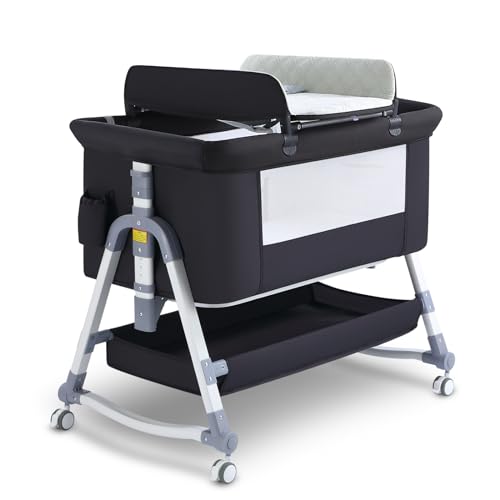
What is a Cot Bed?
A cot bed is a versatile furniture piece that integrates the functions of a baby crib and a toddler bed. Usually created for kids from birth till they are around 5 years old, cot beds are wider and longer than standard top rated cots. They frequently include adjustable mattress heights, which enables for much easier access to the baby throughout the early months, while likewise providing a safe sleeping environment as the child grows.
Key Features of Cot Beds
| Function | Description |
|---|---|
| Size | Normally larger than standard cots, accommodating a bed mattress of a minimum of 140 x 70 cm. |
| Adjustable Mattress Base | Typically provides several height settings to adapt to a growing kid. |
| Detachable Sides | Lots of cot beds feature detachable sides that transform into young child beds. |
| Security Standards | Should adhere to UK security standards (BS EN 716 and BS EN 8509) for kids’s furnishings. |
| Material | Typically made from strong wood, MDF, or a mix of both for durability. |
Kinds Of Cot Beds
Picking the best type of cot bed can vary based upon personal choices, room size, and budget. Here are the most typical types readily available in the UK:
-
Traditional Cot Bed:
- A traditional design that mirrors a traditional crib however offers more space.
- Typically features an ornate design, making it ideal for numerous nursery themes.
-
Convertible sale Cot (https://algowiki.win/) Bed:
- Designed to grow with your child, these can be converted from a cot to a young child bed.
- Offers durability, making it an economical option for parents.
-
Mini Cot Bed:
- A smaller variation perfect for compact spaces.
- Suitable for smaller nurseries or moms and dads who wish to co-sleep in the exact same room at first.
-
Travel Cot Bed:
- Lightweight and developed for mobility.
- Excellent for holidays or checking out household, ensuring your child has a familiar sleep environment.
Cot Bed Comparisons
| Type | Size (Approx) | Price Range (₤) | Pros | Cons |
|---|---|---|---|---|
| Standard Cot Bed | 140 x 70 cm | 150-400 | Traditional design, strong | Might not transform to young child bed |
| Convertible Cot Bed | 140 x 70 cm | 200-600 | Grows with kid, versatile | Higher preliminary expense |
| Mini Cot Bed | 120 x 60 cm | 100-250 | Space-saving, lightweight | Shorter life expectancy; might require a brand-new bed earlier |
| Travel Cot Bed | Differs | 50-200 | Portable, easy to set up | Not as durable as conventional options |
Security Standards
When it concerns kids’s furniture, safety is paramount. In the UK, cot beds need to fulfill particular security requirements to guarantee they are safe for usage. It is vital to try to find accreditation marks when acquiring a cot bed. Here are the vital standards every cot bed need to comply with:
- BS EN 716: This basic addresses the security of folding cribs and cots.
- BS EN 8509: This relates to cot beds’ safety and efficiency requirements.
- Age Suitability: Always inspect the producer’s guidelines concerning age and weight limits.
Tips for Ensuring Cot Bed Safety
- Guarantee all parts and fittings are safe and look for any loose screws or joints regularly.
- Utilize a mattress that fits snugly in the cot to prevent any gaps where the child may end up being caught.
- Prevent positioning soft bedding, pillows, or toys inside the cot to lower the threat of suffocation.
- Always supervise your kid when they are in the cot bed, especially as they grow and begin to stand.
Choosing the Right Cot Bed
When selecting a cot bed for your kid, think about the following factors:
- Space Availability: Measure your nursery area to determine the best size of the cot bed.
- Spending plan: Set a budget plan. Cot beds can vary significantly in cost, so it’s vital to understand how much you’re willing to invest.
- Design Preferences: Choose a design that fits your nursery decor, while also considering functionality and future usage.
- Convertibility: If you desire a cot bed that can grow with your kid, look for convertible alternatives.
- Materials Used: Opt for materials that are long lasting yet safe for kids.
Frequently Asked Questions About Cot Beds
Q1: How long can a child use a cot bed?A1: Generally, kids can utilize cot beds from birth approximately around 5 years old, depending upon the specific design and the kid’s development. Q2: Are cot beds safe for newborns?A2: Yes
, cot beds are designed to be safe for newborns, supplied they satisfy security standards and the bed mattress fits correctly. Q3: How do I clean up a cot bed?A3: Use a damp fabric with moderate soap to clean the wooden surface areas. Prevent severe chemicals that could hurt the wood or surface. Q4: Does a cot bed need a specific mattress?A4: Yes, infant cot bed beds generally require a bed mattress that fits the measurements of the bed. Always examine the producer’s guidelines. Q5: Can a
cot bed be utilized for co-sleeping? A5: It’s typically not advised to utilize cot beds for co-sleeping due to safety issues.
A different sleeping space is advisable. In conclusion, cot beds are an excellent financial investment for any moms and dad searching for a long-lasting and adaptable sleeping solution for their kid. Understanding the various types, security requirements, and upkeep tips is necessary for making a notified choice. By considering the aspects discussed and guaranteeing compliance with safety standards, parents can offer a caring and safe sleeping environment for their kids as they grow and explore the world around them.