What The 10 Most Stupid Lock Maintenance Failures Of All Time Could Have Been Prevented
Window Lock Maintenance: Ensuring Safety and Security
Windows are an important component of any home, providing light, ventilation, and aesthetic worth. Nevertheless, the security they use is only as robust as their locking systems. Window lock maintenance is essential for ensuring that these locks work efficiently, protecting versus invasions and mishaps. This extensive guide will dive into the importance of window lock upkeep, the steps needed to keep locks in optimal condition, fixing common problems, and answering frequently asked questions.
Why Window Lock Maintenance Matters
Window locks work as the very first line of defense against potential break-ins. However, ignoring their upkeep can jeopardize their stability, causing breakdown or failure at important moments. Here are some reasons that maintaining window locks is vital:
- Safety: A faulty lock can cause accidents, especially in homes with kids. Ensuring locks function properly protects liked ones.
- Security: A well-kept lock supplies comfort, assuring property owners that their home is safe from undesirable invasions.
- Durability: Regular maintenance extends the life of window locks, saving homeowners from pricey replacements.
- Home Value: Well-maintained windows and locks contribute to total home value and curb appeal.
Table 1: Key Reasons for Window Lock Maintenance
| Reason | Description |
|---|---|
| Security | Secures inhabitants from mishaps. |
| Security | Prevents burglaries and supplies comfort. |
| Longevity | Boosts the lifespan of locks, minimizing replacement frequency and costs. |
| Home Value | Improves the overall appearance and value of the home. |
Steps to Maintain Window Locks
1. Routine Cleaning
Among the simplest yet most effective methods to keep window locks is regular cleaning. Dirt, dust, and gunk can collect, impeding the locking mechanism’s motion.
- Tools Needed: Soft cloth, mild cleaning agent, and a soft-bristle brush.
- Actions:
- Use the soft fabric to wipe down the lock.
- For persistent gunk, use a mix of moderate cleaning agent with water.
- Utilize the soft-bristle brush to clean hard-to-reach locations.
2. Lubrication
Lubrication is vital for ensuring a smooth locking mechanism. It helps avoid rust and corrosion, particularly in metal locks exposed to the elements.
- Tools Needed: Silicone spray or graphite lubricant.
- Actions:
- Apply the lube straight to the keyhole and moving parts of the lock.
- Operate the residential lock repair numerous times to disperse the lube uniformly.
- Wipe away any excess lube to avoid dust build-up.
3. Inspection
Routine assessments can assist recognize possible problems before they become serious issues.
- What to Look For:
- Signs of wear or damage (e.g., rust, corrosion, or bending).
- Loose screws or fittings.
- The positioning of the lock installation and latch.
4. Adjustments
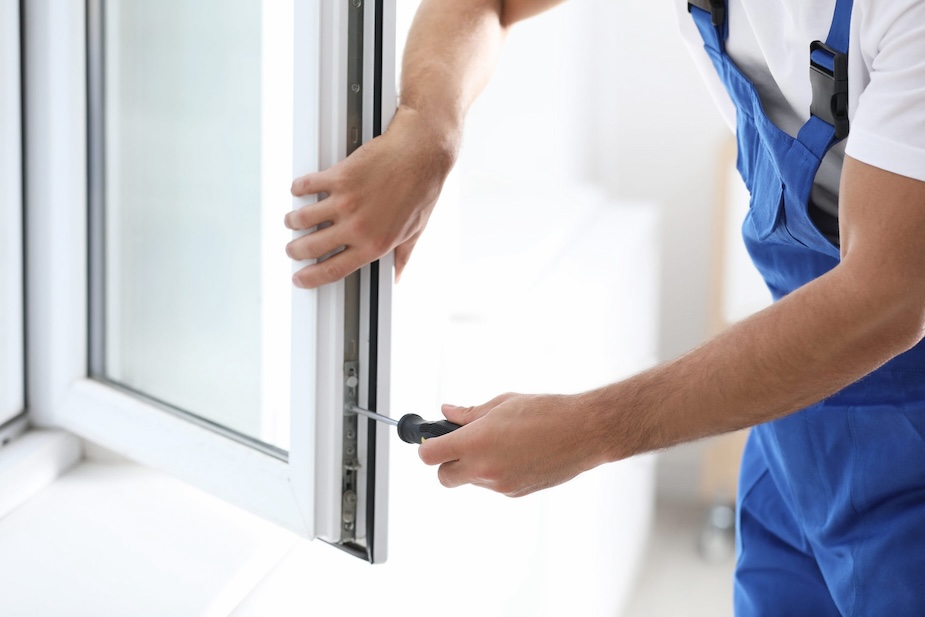
If a lock isn’t appealing appropriately, it may require adjustment. Misaligned locks can compromise security.
- Tools Needed: Screwdriver.
- Actions:
- Tighten any loose screws.
- If necessary, change the position of the lock or strike plate to make sure proper engagement.
5. Replacement
If locks are beyond repair, it may be needed to replace them.
- When to Replace:
- If the lock is significantly damaged.
- If it does not engage correctly even after changes.
- If rust or rust has jeopardized the lock’s integrity.
Table 2: Maintenance Actions and Frequency
| Action | Frequency | Description |
|---|---|---|
| Cleaning up | Every 6 months | Remove dirt and grime from locks. |
| Lubrication | As required (every 6-12 months) | Ensure smooth operation of locks. |
| Examination | Every 6 months | Look for wear, damage, and misalignment. |
| Modifications | As needed | Tighten up loose screws and realign locks if needed. |
| Replacement | As required | Change locks that are damaged beyond repair. |
Troubleshooting Common Window Lock Issues
1. Lock Won’t Engage
- Possible Causes: Misalignment, dirt accumulation, or internal damage.
- Solutions: Adjust the lock maintenance or tidy and oil it.
2. Key is Stuck
- Possible Causes: Dirt buildup or rust.
- Solutions: Apply lubricant and gently wiggle the key to release it.
3. Lock is Difficult to Turn
- Possible Causes: Lack of lubrication or mechanical failure.
- Solutions: Apply lubricant; if the problem persists, think about replacement.
FAQs about Window Lock Maintenance
Q1: How typically should I perform upkeep on my window locks?
A1: It’s suggested to clean and lube window locks every 6 months, with examinations performed at the same interval. Adjustments should be made as needed, and replacements should happen when locks are beyond repair.
Q2: Can I use WD-40 on my window locks?
A2: While WD-40 can supply short-lived lubrication, it may attract dust and grime gradually. It’s much better to utilize silicone spray or graphite lube for long-lasting outcomes.
Q3: What should I do if my window lock is totally broken?
A3: If a lock is irreversible, it ought to be replaced instantly to maintain security. Talk to a professional locksmith professional for the best replacement options.

Q4: Are there specific maintenance items I should use?
A4: Look for silicone sprays, graphite lubes, and soft, non-abrasive fabrics for cleansing. Avoid severe chemicals that might harm the lock’s surface.
Q5: Is window lock upkeep essential during winter season?
A5: Yes, cold weather condition can impact the efficiency of locks. Routine maintenance during winter season is vital to prevent freezing and ensure smooth operation.
Window door lock repair upkeep is an important aspect of home safety and security. By following the steps described above– cleansing, lubricating, checking, changing, and changing locks as needed– homeowners can ensure their window locks remain functional and effective. Routine maintenance not just protects liked ones but likewise preserves the integrity and worth of the home. Taking proactive procedures today can avoid pricey repairs and security breaches tomorrow.